

What is Dehydration?
Dehydration takes place when your body loses more fluid than you drink. The body is made up of 75% water and for the body to survive, we need to stay hydrated. Although water is lost constantly throughout the day, we can replenish the water in our body by drinking plenty of fluids. The body can also move water around to areas in the body where it is more needed if dehydration commences. The recommended amount of water to drink is 8 to 10 glasses of water per day. Individuals who work out and athletes should increase their water intake to avoid dehydration.
What causes dehydration?
The most common cause of water loss from the body is excessive sweating. Other causes of dehydration include not enough water, too much water loss, or some combination of the two.
Other causes of dehydration include: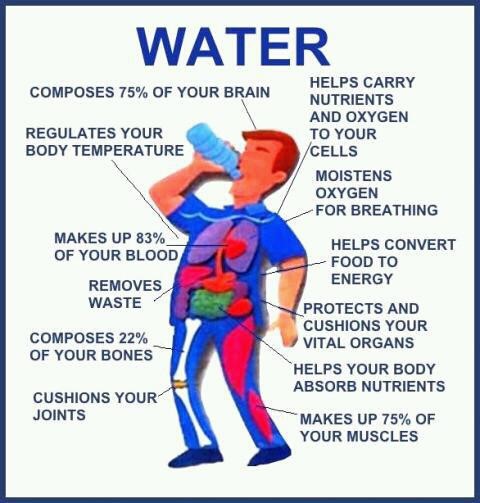
- Diarrhea
- Vomiting
- Sweating
- Diabetes
- Frequent urination
- Burns
- Fever
What are the symptoms of dehydration?
- Thirst
- Dark Urine
- Dry mouth
- Exhaustion
- Few or no tears when crying
- Muscle Weakness
- Dizziness
- Headache
Severe dehydration complications
When too much water is lost from the body there can be some complications and dangerous life-threatening complications. Dehydration can be mild or it can be severe. Mild dehydration can usually be treated at home but severe dehydration has to be treated in a hospital. Complications from dehydration include;
- excessive thirst
- lack of sweat production
- low blood pressure
- rapid heart rate
- rapid breathing
- fever
- sunken eyes
- shriveled skin
- dark urine
- heat exhaustion
- heat cramps
- heatstroke
- seizures (due to electrolyte loss)
- low blood volume
- kidney failure
- coma
- shock
How is dehydration treated?
Prevention is really the most important treatment for dehydration. Drinking plenty of fluids such as water, clear broths, frozen water or ice pops, or sports drinks rinks (such as Gatorade). should be a good way to treat and prevent dehydration. If you are dehydrated, avoid fluids containing caffeine like coffee, tea, and sodas. Sometimes dehydration needs to be treated with the appropriate medications to stop diarrhea, vomiting and anti-fever medications. Stay hydrated to avoid dehydration.
Related Articles