
Your roof does more than protect your property; it defines your building’s character and determines how well it stands up to Florida’s intense sun, heavy rains, and hurricane winds. That’s why choosing the right type of roofing tile is so important. It’s not just about style. The material you select impacts everything from structural load and energy efficiency to insurance savings and long-term maintenance costs.
Let’s break down the most common roofing tile types, explain their strengths and trade-offs, and help you decide which option is the best fit for your building.
The Main Roofing Tiles Types by Material
Clay Tiles
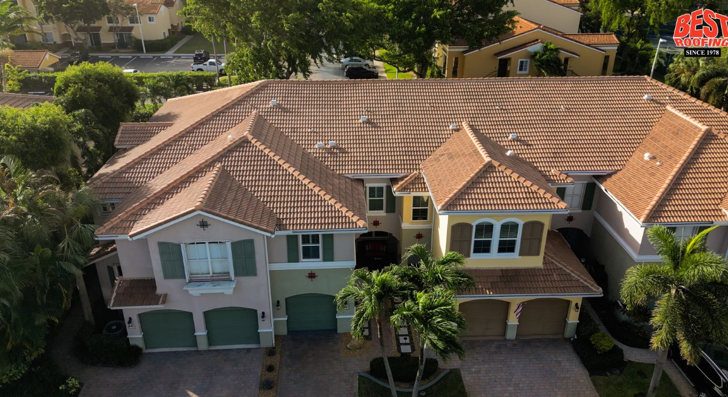
Traditional and timeless, clay tiles deliver classic curb appeal and excellent color retention.
Why you’ll like them:
- Durable and energy-efficient: Clay reflects heat and stands up well to UV.
- Style range: Spanish/Barrel, S-tile, and flat profiles fit both historic and modern designs.
- Low color fade: Fired-in color ages gracefully.
Keep in mind:
- Weight: Heavier than many alternatives—your structure may require reinforcement.
- Cost: Generally higher upfront than concrete.
Best for: Premium aesthetics near the coast, Mediterranean or Mission-style buildings, and properties prioritizing long lifespan and heat performance.
Concrete Tiles
A popular, cost-conscious alternative to clay with broad design flexibility.
Why you’ll like them:
- Value: Typically more affordable than clay while offering a similar look.
- Versatility: Molded into W-tile, S-tile, and flat profiles that mimic clay or slate.
- Durable: Good resistance to wind when properly fastened.
Keep in mind:
- Weight: Still heavy—verify structural capacity.
- Finish care: Color coats and surface textures may require periodic maintenance.
Best for: Owners seeking the tile look at a lower cost, with strong performance in Florida’s sun and storms.
Slate Tiles
The luxury benchmark natural stone with unmatched character.
Why you’ll like them:
- Longevity: Among the longest-lasting roof materials available.
- Natural beauty: Color variations and texture create a one-of-a-kind, elevated look.
- Fire resistance: Excellent for code and safety.
Keep in mind:
- Very heavy: Structural engineering is often required.
- Cost and handling: Higher installed cost; specialty crews needed for repairs.
Best for: Landmark properties, premium residences, and architectural showpieces where design and durability justify the investment.
Metal Tiles
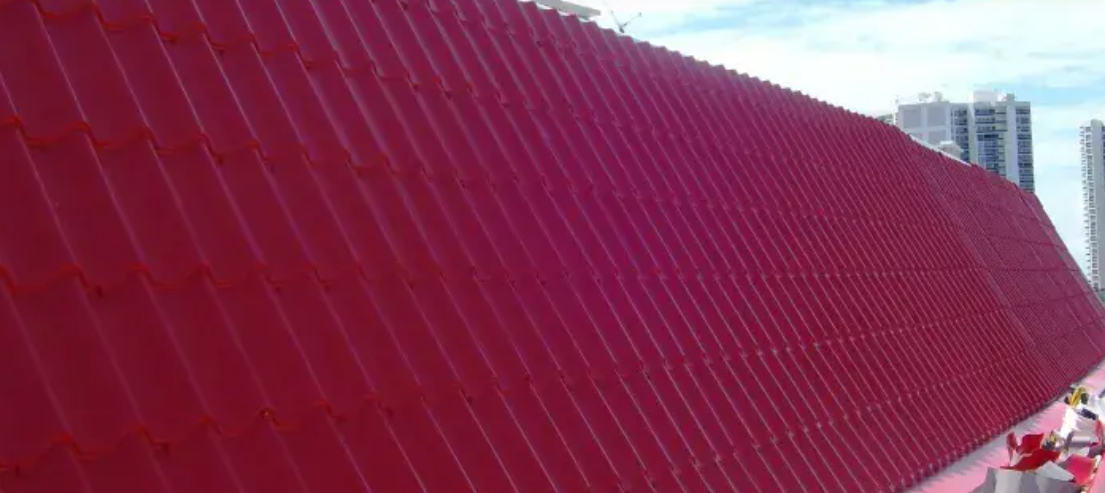
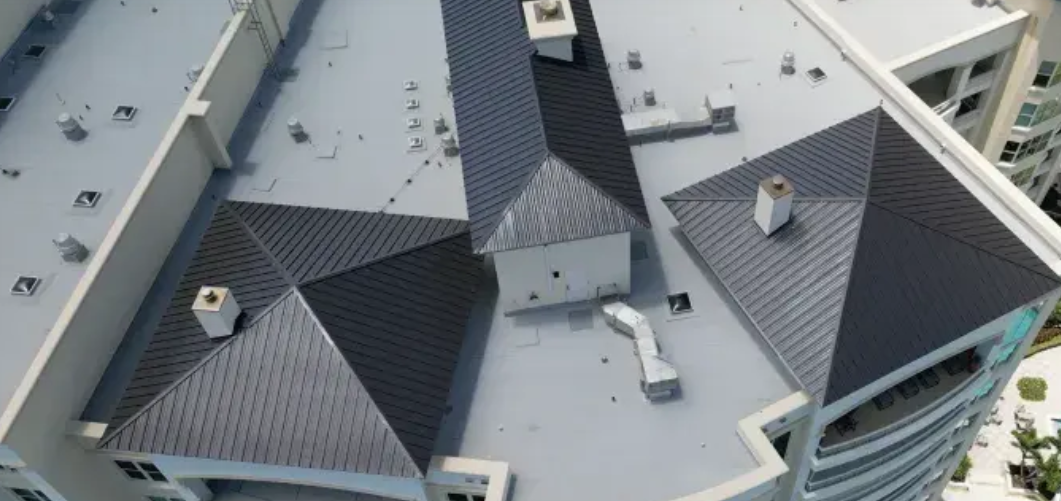
Formed steel, aluminum, or copper tiles that emulate clay, slate, or shakes.
Why you’ll like them:
- Lightweight: Easier on structure than clay or slate.
- Style options: Stone-coated and stamped profiles achieve varied looks.
- Durability: Strong wind resistance with proper fastening; recyclable metals add sustainability.
Keep in mind:
- Acoustics: Rain noise may be noticeable without proper underlayment.
- Denting and walkability: Some products dent; use care during service visits.
Best for: Projects needing a lighter system with high wind performance and a clean, architectural aesthetic.
Composite (Synthetic) Tiles
Engineered blends that replicate slate, clay barrel, or wood shakes—minus the weight.
Why you’ll like them:
- Lightweight and versatile: Often suitable where heavier tiles aren’t.
Impact and UV resistance: Advanced formulations perform well in harsh sun. - Color variety: Wide palette, including multi-blend “natural” tones.
Keep in mind:
- Spec-driven purchase: Product quality varies—review impact ratings, wind approvals, and warranty terms.
- Heat exposure: Verify Florida-specific approvals and underlayment specifications.
Best for: Owners wanting the premium tile look with fewer structural upgrades and easier lifecycle maintenance.
Key Factors When Choosing Roofing Tiles
- Weight and Structure
Clay, concrete, and slate are heavy. Before you fall in love with a look, confirm roof framing capacity and the cost of reinforcement. Lighter alternatives include metal and composite tiles. - Durability and Lifespan
Top-tier longevity: Slate, clay (premium), and some metal systems.
Strong value: Concrete and composite, with modern warranties and wind ratings.
Match durability to your maintenance plan and how long you intend to own the asset. - Florida Wind and Water Performance
Look for high-wind fastener schedules, approved foam/adhesive systems, and interlocking profiles. Proper hip, ridge, and eave details are essential for hurricane season.
- Roof Pitch and Drainage
Tiles require minimum slopes and specific underlayments. For low-slope sections, you may need transitions to a membrane roof plan those tie-ins carefully. - Thermal and Energy Considerations
Cool pigments, ventilated battens, and reflective underlayments can reduce heat load important for occupant comfort and HVAC savings in Florida. - Cost and Lifecycle
Lower upfront: Concrete and some composites.
Higher upfront, longer life: Clay, slate, and premium metal.
Assess total cost of ownership, not just the bid price. - Serviceability and Warranty
Tiles are durable, but traffic can crack rigid materials. Ensure safe access paths, fall protection anchors, and a roof maintenance program to keep warranties valid.
Quick Comparison: Roofing Tiles Types at a Glance
|
Tile Type |
Weight |
Cost Range |
Best Feature |
|
Clay |
Heavy |
$$$ |
Classic, heat-resistant |
|
Concrete |
Heavy |
$$ |
Affordable, versatile |
|
Slate |
Very heavy |
$$$$ |
Natural, timeless durability |
|
Metal |
Light |
$$$ |
High wind resistance, recyclable |
|
Composite |
Light |
$$–$$$ |
Lightweight, mimics premium styles |
FAQs About Roofing Tiles
Q: What is the most durable roofing tile?
Natural slate offers the longest lifespan—often 75 to 100 years or more—but clay and high-quality composites also provide decades of performance when installed correctly.
Q: What is the best roofing tile for Florida homes and buildings?
Clay and concrete are popular in Florida for their heat and hurricane resistance, but lighter composite and metal tiles are also excellent choices when structural load is a concern.
Q: Are tile roofs worth the cost?
Yes. While the upfront investment is higher than asphalt shingles, tile roofs deliver longer life, better energy efficiency, and higher curb appeal often improving property value and lowering insurance costs.
Choosing the Right Tile Roof in Florida
Roofing tiles come in many types clay, concrete, slate, metal, and composite, each with unique advantages in weight, style, and durability. In Florida, your choice should balance hurricane resistance, heat performance, and structural capacity. A beautiful tile roof isn’t just about style—it’s a long-term investment in your property’s resilience.
At Best Roofing, we’ve been installing, repairing, and maintaining tile roofs across Florida for more than 46 years. From clay tiles to modern composites, our team ensures your roof not only looks stunning but also meets Florida’s strict code requirements for wind and weather.
Ready to explore your options? Book a tile roof inspection today and we’ll help you compare systems, review samples, and choose the roof that protects your property for decades.
Related Articles