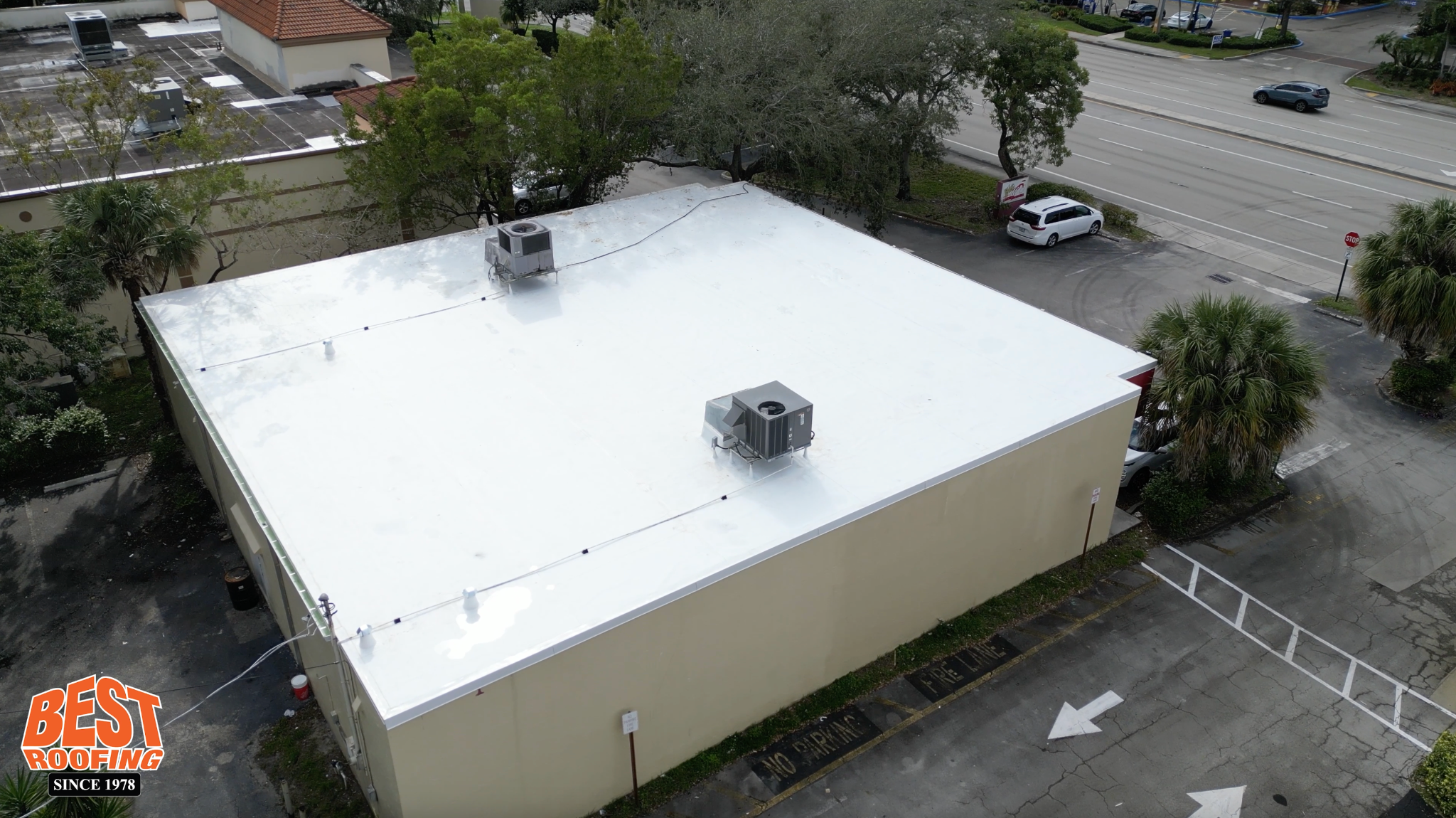
For Florida HOA and condo communities, a roof replacement isn’t just construction; it’s a multi-layered capital project that demands planning, coordination, and clear communication at every step. Between architectural approvals, resident notifications, and strict code requirements, even small oversights can lead to costly delays or compliance issues. When handled correctly, though, a well-executed roof replacement not only safeguards the property but also enhances community value, improves energy efficiency can improve energy performance when designed with proper insulation and, where appropriate, high-reflectance materials, and strengthens long-term asset performance. Get those three elements: approvals, communication, and expert execution, right, and your community stays protected, compliant, and on budget is far more likely to remain protected, compliant, and close to budget.
Why HOA Roof Replacements Require a Different Approach
Unlike private commercial buildings, HOA roofing projects must align with covenants, aesthetics, and board oversight. You’re not just replacing a roof, you’re protecting shared assets, maintaining curb appeal, and safeguarding property values across multiple homes.
Because of that, boards must coordinate with architectural review committees (ARCs), communicate clearly with residents, and work with roofing partners experienced in multi-building logistics and HOA compliance.
Roof system selection and wind design should always be prepared or reviewed by a licensed design professional familiar with the Florida Building Code; the roofing contractor installs the system to those specifications and manufacturer requirements.
Step 1: Confirm HOA and ARC Approvals Early
Before selecting materials or scheduling work, review your HOA’s Covenants, Conditions & Restrictions (CC&Rs) and architectural guidelines.
Confirm details like:
- Approved materials and colors (e.g., tile, TPO, or metal)
- Roof profiles and slopes required for visual consistency
- Submittal requirements (contractor license, product data, and color samples)
- Who grants final approval — the ARC or full Board of Directors
Always obtain written approval before work begins. Verbal consent doesn’t protect the association or owners if disputes arise later.
Tip: Create a single “roofing submittal packet” with all required documents and samples to simplify future approvals.
Step 2: Define a Clear, Comparable Scope of Work
A detailed scope keeps contractors accountable and bids comparable. It should include:
- Roof system type (TPO, Modified Bitumen, tile, metal) and compliance with fire classification and substrate requirements
- Attachment method suited for local wind zones
- Flashing and edge metal details that meet ES-1 standards
- Flashing and edge metal designs that are tested and documented to comply with ANSI/SPRI/FM 4435/ES-1 and Florida Building Code requirements
- Drainage improvements where ponding or leaks have occurred
- Fastening density and uplift ratings required by code
- Fastening patterns and uplift resistance that meet Florida Building Code and ASCE 7 wind design requirements using documented assemblies (Florida Product Approval, Miami-Dade NOA, or FM-approved systems)
- Project phasing and access plan for occupied properties
- Warranty expectations (manufacturer and workmanship)
A standardized scope ensures pricing accuracy, performance consistency, and faster approvals.
Step 3: Plan Your Budget and Timeline
Budget Wisely
- Separate base costs (roofing materials and labor) from contingencies (hidden deck damage, wet insulation).
- Include soft costs like permits, engineering, inspections, and waste removal.
- Verify reserve fund availability or plan assessments early to prevent mid-project funding delays.
Schedule Smart
- Phase work by building to minimize resident disruption.
- Avoid peak storm months when possible.
- Define work hours and quiet times in line with community bylaws.
- Require daily dry-in standards to keep all open areas watertight overnight.
Step 4: Choose a Contractor Experienced in HOA Projects
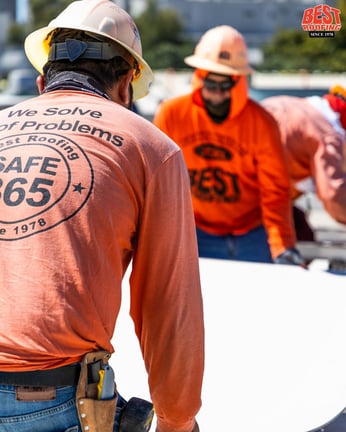
The right roofing partner should offer more than installation expertise. Look for:
- Proven experience with multi-building or community-wide projects
- A dedicated project manager for board and CAM coordination
- Strong communication systems (door hangers, notices, resident updates)
- Documented safety and cleanup procedures
- Daily photo logs, inspection reports, and final warranty documentation
- Current Florida roofing license and adequate general liability and workers’ compensation insurance
Ask for recent HOA references and a sample communication plan before signing any contract.
Step 5: Communicate Early and Often with Residents
Transparent communication builds trust and prevents complaints. Use a structured schedule:
- 30 days before work: Project overview, building order, expected duration.
- 7 days before: Specific building start date and parking instructions.
- Day before: Reminders for noise, elevator pads, and pet precautions.
- Weekly: Updates on progress, next phases, and completion timelines.
Create a central contact email or hotline for residents’ questions. Keeping responses consistent avoids confusion and reduces pressure on board members.
Step 6: Oversee Construction and Quality Control
During installation, focus on safety, documentation, and workmanship quality:
- Require daily inspections and dry-in checks by the contractor’s supervisor, with periodic manufacturer or third-party inspections for warranted systems
- Replace any wet insulation or deteriorated decking immediately
- Verify edge and corner fastening patterns match tested assemblies
- Conduct weekly progress meetings with the roofer and CAM
- Maintain cleanliness with debris removal and magnet sweeps
Consistent inspection and reporting protect both the association and warranty coverage.
Step 7: Close Out the Project Properly
Once the last roof is complete, ensure you receive:
- Final permit sign-offs and inspection records
- Manufacturer and contractor warranties with transfer details
- As-built documentation (materials, colors, and attachment methods)
- A digital photo archive for reference or resale documentation
- A simple maintenance plan outlining post-storm inspections and drain cleaning
Scheduling at least annual—preferably semiannual—maintenance inspections before storm season supports warranty compliance.
Most manufacturers recommend documented inspections at least twice annually and after major storms.
Florida-Specific HOA Roofing Considerations
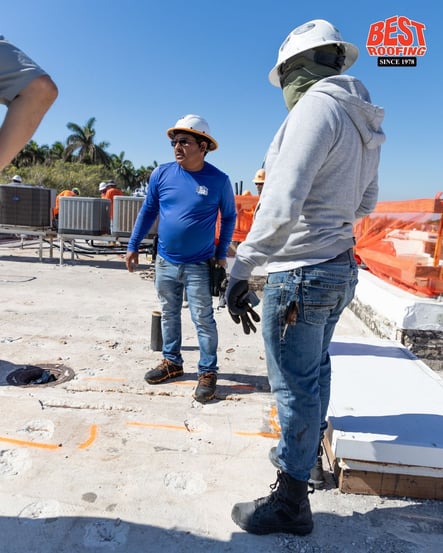
Florida’s wind zones and hurricane exposure demand special attention to:
- Edge metal and perimeter attachment — these are the first points of failure in high winds.
- Waterproofing and drainage systems — clogged scuppers or low spots increase uplift pressure.
- Phased scheduling — plan for unexpected weather and require contractors to secure each roof daily.
- Code compliance — confirm all assemblies meet the Florida Building Code (FBC) and HVHZ requirements where applicable.
Choosing materials and assemblies with Florida Product Approval or Miami-Dade/HVHZ approvals supports long-term performance and can be favorable for risk management; specific insurance impacts depend on the insurer.
Common HOA Roofing FAQs
Do we need to replace all buildings at once?
No. Phased replacements are common. Just standardize colors and materials to ensure uniformity across the community.
Confirm with your design professional that the phasing approach complies with the Florida Building Code’s reroofing provisions and does not leave any structures with non-compliant wind or attachment conditions.
How long does HOA roof replacement approval take?
In many communities, 2–6 weeks is common, depending on your ARC’s review schedule and meeting frequency, but boards should verify timelines in their own governing documents.
Who handles insurance or storm-related claims?
In many communities, the board may file under the HOA’s master policy, while unit owners may have coverage under individual policies. Coordination between the association’s insurance professional, CAM, and legal counsel is important to determine the appropriate process.
What’s the best roof for Florida communities?
There is no single “best” roof. For many low-slope buildings, TPO or Modified Bitumen are common selections, while sloped residential structures often use tile or metal systems. The right choice should be made with a licensed design professional and roofing manufacturer based on code requirements, exposure, and budget.
Partner with a Roofing Expert Who Understands HOA Projects
If your HOA or condominium community is planning a roof replacement, working with an experienced, compliant partner saves time, reduces risk, and minimizes disruption.
Best Roofing has served Florida’s multi-building communities for over 46 years over 46 years (verify exact figure for consistency across brand materials), delivering code-compliant roof replacements, clear reporting, and streamlined coordination with boards and CAMs. From initial audits to warranty documentation, our process keeps every detail organized and every property protected.
Schedule a roof evaluation or request a proposal today.
*Disclaimer:
Best Roofing has served Florida’s multi-building communities for over 46 years over 46 years (verify exact figure for consistency across brand materials), delivering code-compliant roof replacements, clear reporting, and streamlined coordination with boards and CAMs. From initial audits to warranty documentation, our process keeps every detail organized and every property protected.
Related Articles