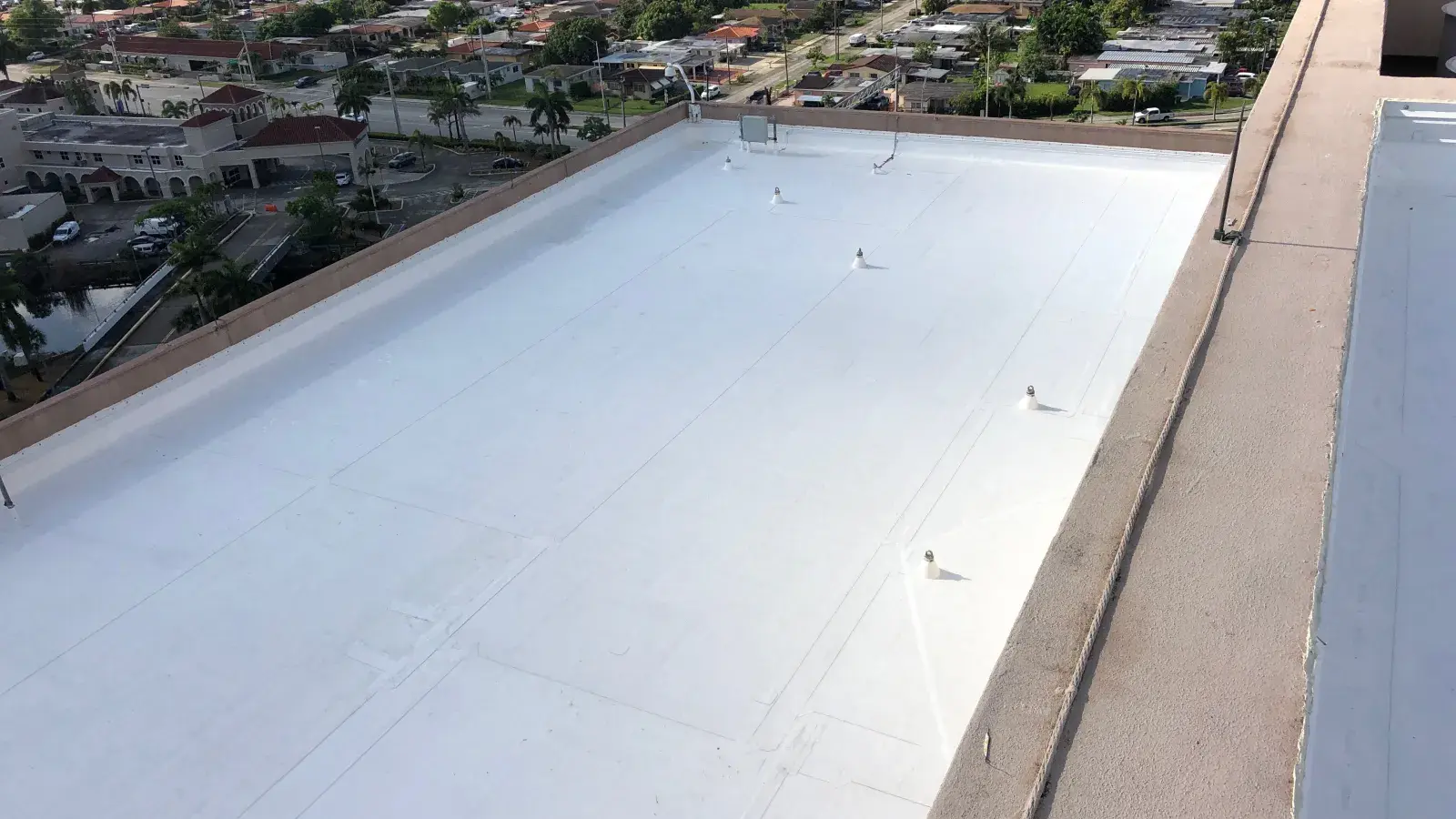

Industrial roof maintenance is a proactive program of inspections, minor repairs, and ongoing care designed to prevent leaks, reduce operational risk, and extend the lifespan of industrial roofing systems.
At Best Roofing, we view industrial roof maintenance as a core part of asset management, not a reaction to failure. In warehouses, manufacturing facilities, and distribution centers, proper maintenance protects your operations, budget, and long-term planning.
This guide explains how industrial roof maintenance works, how often it should be performed, and why proactive maintenance consistently outperforms reactive repair.
What Is Industrial Roof Maintenance?
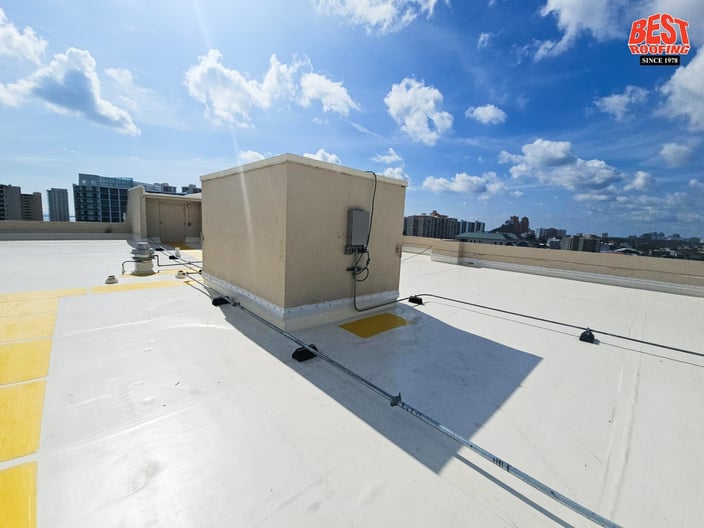
Industrial roof maintenance is the ongoing management of roofing systems on industrial buildings to keep them watertight, structurally sound, and energy efficient.
At Best Roofing, industrial roof maintenance typically includes:
- Scheduled professional roof inspections
- Minor membrane, flashing, and penetration repairs
- Drainage and debris management
- Documentation of roof conditions and trends
- Planning for future repairs, restoration, or replacement
The objective is simple: identify and address small issues before they become operational disruptions or capital emergencies.
Why Is Industrial Roof Maintenance Important?
Industrial roofs protect critical assets, including:
- Production equipment
- Inventory and materials
- Electrical and mechanical systems
- Employee work environments
When an industrial roof fails, the impact extends far beyond water intrusion.
From our experience managing industrial facilities across Florida, consistent roof maintenance helps:
- Prevent unplanned downtime
- Reduce interior damage and mold risk
- Control long-term capital expenses
- Improve building energy performance
- Maintain manufacturer warranty compliance
- Extend overall roof service life
A maintained roof costs less to own than a neglected one.
How Often Should Industrial Roof Maintenance Be Performed?
Best Roofing recommends that most industrial roofs be inspected at least twice per year.
Standard inspection timing includes
- Spring inspections after winter weather
- Fall inspections before storm season peaks
- After major weather events
- After rooftop equipment installation or service
- Before warranty milestone dates
For older systems or high-traffic roofs, quarterly inspections may be appropriate.
Industrial Roof Maintenance Frequency by Building Type
Recommended maintenance frequency varies by facility use:
- Warehouses and distribution centers: Twice per year
- Manufacturing facilities with rooftop equipment: Three to four times per year
- Cold storage or refrigerated facilities: Quarterly
- High-traffic industrial roofs: Quarterly
- Roofs over 15 years old: Quarterly or event-based
This approach aligns inspection frequency with operational risk.
What Are the Five Types of Industrial Roof Maintenance?
|
Maintenance Type |
When It Happens |
Primary Purpose |
Cost Impact Over Time |
Operational Risk |
|
Preventive Maintenance |
Before problems occur |
Identify and fix minor issues early |
Lowest total lifecycle cost |
Very low |
|
Routine Maintenance |
On a fixed schedule (quarterly or annually) |
Maintain consistent roof performance |
Low and predictable |
Low |
|
Planned Maintenance |
Based on inspection data and lifecycle planning |
Avoid major repairs and budget accurately |
Controlled and forecastable |
Low |
|
Corrective Maintenance |
After an issue is discovered |
Restore roof performance |
Moderate and variable |
Medium |
|
Reactive Maintenance |
After roof failure (leaks or damage) |
Stop active damage |
Highest long-term cost |
High |
Preventive Maintenance
Preventive maintenance addresses minor issues before they cause failure. This includes sealing small membrane defects, reinforcing flashing, and correcting drainage issues.
Routine Maintenance
Routine maintenance follows a fixed schedule, such as quarterly or annual visits. It includes inspections, cleaning, minor repairs, and condition reporting.
Planned Maintenance
Planned maintenance uses inspection data and repair history to forecast future needs. Best Roofing uses this approach to support budgeting and lifecycle planning.
Corrective Maintenance
Corrective maintenance restores performance when an issue is discovered during inspection. It is reactive but often unavoidable as systems age.
Reactive Maintenance
Reactive maintenance occurs only after roof failure, such as active leaks or structural damage. This is the most expensive and disruptive approach, and maintenance programs aim to avoid it.
What Are the Signs an Industrial Roof Needs Maintenance?
Rising Energy Costs
Loss of reflectivity or insulation performance forces HVAC systems to work harder, increasing energy use.
Moisture or Interior Leaks
Water stains, mold growth, or musty odors indicate moisture intrusion that requires immediate attention.
Ponding Water
Standing water lasting more than 48 hours accelerates membrane deterioration and increases leak risk.
Clogged Drains or Gutters
Blocked drainage increases structural stress and shortens roof lifespan.
Visible Roof Damage
Cracks, seam separation, loose flashing, or membrane blistering are early warning indicators.
Which Industrial Roofing Materials Require the Most Maintenance?
TPO Roofing
TPO systems require regular seam inspections, flashing checks, and surface cleaning to maintain reflectivity.
Metal Roofing
Metal systems require fastener inspections, corrosion monitoring, and sealant maintenance.
At Best Roofing, we design maintenance plans specific to each roofing system, not generic checklists.
What Makes an Industrial Roof Prone to Frequent Repairs?
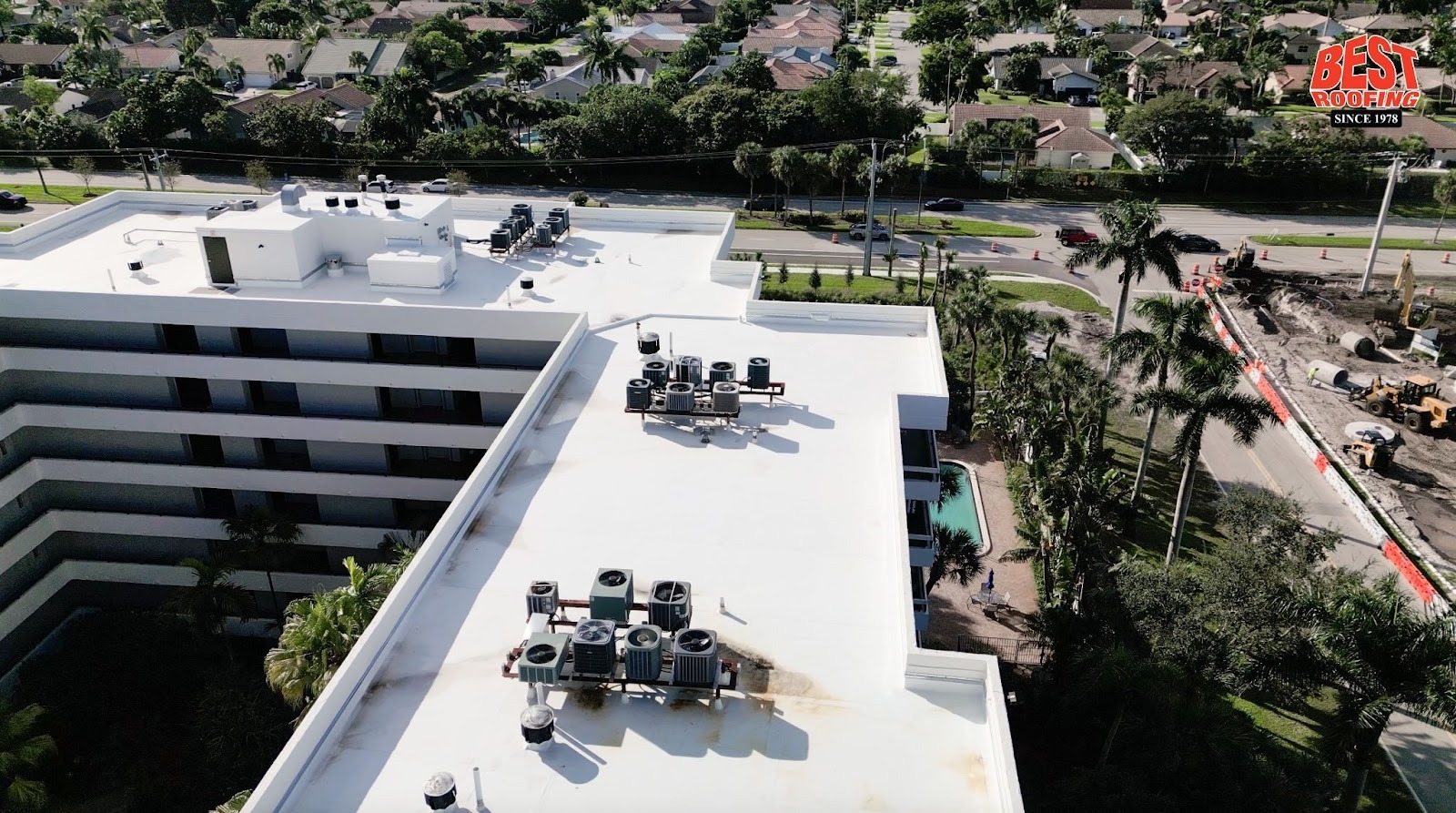
Based on field data and inspection history, the most common contributors include:
- Severe Florida weather exposure
- Poor original installation
- Heavy rooftop traffic
- Lack of scheduled inspections
- Materials approaching the end of service life
Maintenance programs reduce repair frequency by addressing these risks early.
What Should You Do When Roof Damage Is Found?
When damage is identified, Best Roofing recommends:
- Documenting the issue with photos and notes
- Limiting rooftop access to prevent further damage
- Scheduling a professional inspection
- Repairing the issue before moisture spreads
Temporary fixes should never replace professional repair.
Industrial Roof Maintenance Checklist
A standard industrial roof maintenance visit should include:
- Visual inspection of membranes, seams, and flashing
- Inspection of penetrations and rooftop equipment curbs
- Drain, scupper, and gutter inspection and cleaning
- Identification of ponding areas
- Photo documentation of deficiencies
- Minor repairs where the warranty allows
- Condition scoring and trend tracking
- Prioritized repair recommendations
Industrial Roof Maintenance Costs
Industrial roof maintenance costs vary based on size, system type, and access, but typical ranges include:
- Annual maintenance programs: $0.10–$0.30 per square foot
- Semi-annual inspection programs: $0.08–$0.20 per square foot
- Reactive-only maintenance: Highest long-term cost due to emergency repairs and collateral damage
Maintenance reduces the total cost of ownership over the life of the roof.
Industrial Roof Maintenance vs Repair vs Replacement
- Maintenance: Ongoing care to prevent failure
- Repair: Fixing isolated issues once they appear
- Restoration: Extending service life with system upgrades
- Replacement: Full system removal and installation
Industrial roof maintenance delays or eliminates the need for premature restoration or replacement.
Is Industrial Roof Maintenance Worth the Cost?
Yes. Industrial roof maintenance delivers a measurable return on investment.
Well-maintained industrial roofs:
- Last significantly longer
- Reduce emergency repair costs
- Protect manufacturer warranties
- Lower total cost of ownership
- Improve operational reliability
From our perspective, maintenance is an asset protection strategy, not an expense.
Industrial Roof Maintenance FAQs
How long does an industrial roof last with maintenance?
With consistent maintenance, industrial roofs often last 20–30 percent longer.
Does maintenance prevent leaks?
Maintenance significantly reduces leak risk by addressing vulnerabilities early.
Is maintenance required for warranties?
Most manufacturer warranties require documented inspections and qualified repairs.
Can maintenance be done during operations?
Yes. Professional maintenance is performed with minimal disruption.
Who Should Manage Industrial Roof Maintenance?
Industrial roof maintenance should be managed by experienced commercial and industrial roofing specialists.
At Best Roofing, our teams provide:
- Detailed, documented inspections
- System-specific repair methods
- Warranty-compliant workmanship
- Long-term lifecycle planning support
This level of oversight is difficult to achieve with general contractors or untrained crews.
Industrial Roof Maintenance With Best Roofing
At Best Roofing, we help industrial facility owners shift from reactive repairs to proactive roof management. Our maintenance programs are built around transparency, documentation, and long-term performance.
If you are experiencing leaks, rising energy costs, or want a clear understanding of your roof’s condition, our team is ready to help.
Request an industrial roof inspection or maintenance evaluation today and take control of your roofing asset before problems arise.
Related Articles